
Lifestyle
Simple Ways to Build a Lasting Self-Care and Fitness Routine at Home
By Lacey Conner · September 26, 2026
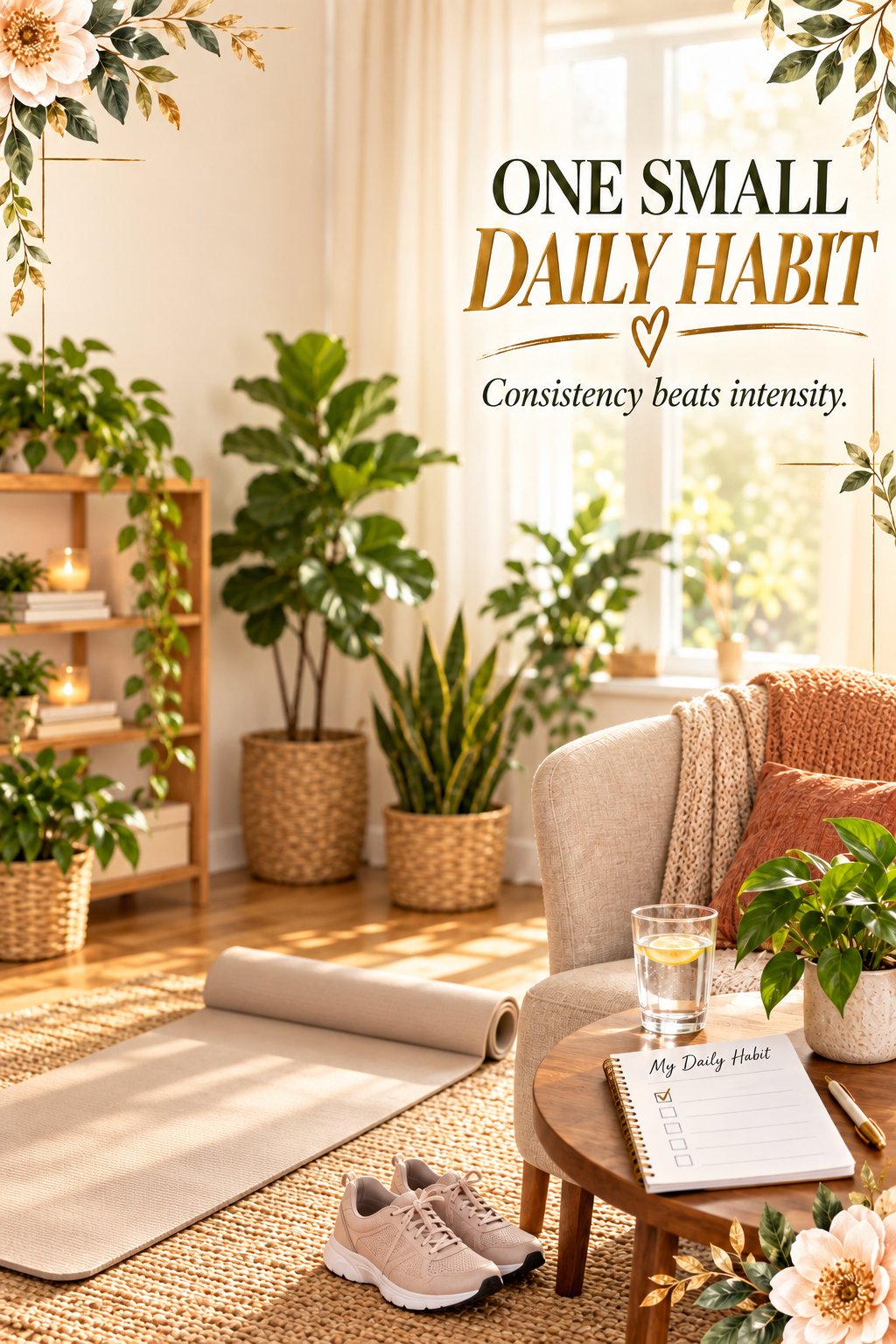
Build a Sustainable Home Routine With One Small Daily Habit When life is busy, self-care and fitness often get pushed aside, and then starting again feels like another task. The way through is the simple approach: integrating self-care habits into daily routine reinforcement, backed by long-term wellness strategies and a motivational mindset rather than all-or-nothing thinking. Stick with that, and the at-home fitness benefits show up quietly, more energy, steadier mood, and a routine that doesn’t fall apart when the week gets messy. Consistency beats intensity when the goal is lasting health.
Busy parents juggling work, caregiving, and household chores often want at-home self-care and home fitness routines, but the day gets away from them and consistency feels impossible. The core tension is simple: daily life demands quick wins, while most wellness advice assumes time, space, and uninterrupted focus. The good news is that daily wellness practices can live inside real schedules when they’re treated as accessible health habits instead of a full lifestyle overhaul. With the right expectations and a supportive setup, movement and mental well-being at home can become a steady part of the week.
Set Up Your Space: How to Make Wellness Automatic Your home can either fight your routine or quietly support it. A few simple “environment upgrades” make self-care and workouts feel more like the default, especially when your schedule is already full. Choose a “good-enough” workout zone (2 minutes to set, 0 minutes to decide): Pick one small spot—a corner of the bedroom, the side of the couch, the end of a hallway—and make it your movement home base. Keep only the basics there: a mat, a resistance band, and one light-to-moderate weight option (or a backpack you can load). The goal is to remove the daily negotiation of where and what so you can follow the “fits real life” approach: short, consistent sessions that happen even on messy days.
Make the first 30 seconds frictionless: Your workout should start before your brain can talk you out of it. Lay out shoes and clothes the night before, keep water nearby, and store gear in an open bin (not a closed closet). Pair this with a tiny “starter script” you can always complete: 10 bodyweight squats, 5 wall push-ups, and 30 seconds of marching. Then decide whether to continue.
Build a calm mental wellness space with one clear purpose: Set aside a chair, cushion, or a specific end of the couch that’s only for downshifting—breathing, stretching, journaling, or a quick check-in. Keep it simple: a blanket, a notebook, and soft lighting if possible. This matters because mental recovery is part of a supportive home environment, not an optional extra, and when stress is lower, sticking to movement and nutrition choices gets easier.
Reduce distractions by “closing loops” before you start: Give yourself a 60-second reset: silence non-urgent notifications, set a timer, and do a quick room scan to remove the biggest attention-grabber (laundry pile, open laptop, snack bag on the counter). If you’re parenting or sharing space, post a simple signal—“10-minute workout, back at 7:20”—so others know when you’ll be available. Less distraction means you can keep sessions short and still feel finished.
Use consistency cues—same time, same trigger, same tiny win: Attach your routine to something that already happens: after coffee, after school drop-off, after brushing your teeth. Keep the cue identical for two weeks and track only completion, not perfection. This is how habits become automatic, and habit formation interventions can strengthen physical activity habits over time. When you’re ready to progress, keep the cue and expand the routine (more reps or one extra round) rather than changing everything at once.
Create a “done” signal and a recovery station: End every session the same way—2 minutes of slow breathing or stretching—then put your gear back in its spot immediately. Add a small recovery cue nearby: a water bottle you refill, a towel, or a simple note that says “protein + produce” to nudge your post-workout choices. When your space makes recovery easy, it’s simpler to follow through with the everyday nutrition habits that keep energy steady and workouts feeling doable.
Fuel Home Workouts with Smarter Everyday Nutrition Choices Once your space makes healthy choices easier, the food you keep in your day-to-day routine helps those choices actually feel doable. Nutritious eating supports at-home fitness and self-care by giving your body steady energy for workouts, the nutrients it needs to recover, and the consistency that makes healthy habits stick. When your meals and snacks are more balanced, it’s easier to maintain physical health, and you may notice a steadier mood and clearer focus that support mental well-being, too. Small swaps matter here: instead of grabbing a bag of chips or a sugary snack during the day, reach for a piece of fruit or some veggies to keep energy more even. If you want more ideas that fit real life, these practical smarter lifestyle choices can help you turn tiny daily tweaks into momentum.
Weekly Habits That Make Home Routines Stick These small, repeatable practices help you stay consistent without needing perfect motivation. Give them time to settle in, since 59–66 days is a common median range for habit formation.
Daily Movement Minimum What it is: Do 10 minutes of easy movement you can repeat at home. How often: Daily Why it helps: It protects consistency, even on busy or low-energy days.
Two Strength Sessions What it is: Do a short bodyweight circuit: squats, push-ups, rows, and a plank. How often: Twice weekly Why it helps: It builds muscle and supports joints for everyday tasks.
Pre-Bed Wind-Down What it is: Try a mindfulness meditation or slow breathing with the lights dimmed. How often: Nightly Why it helps: It cues sleep and reduces late-night stress spirals.
Midday Reset Break What it is: Stand up, stretch your hips and shoulders, then drink a full glass of water. How often: Daily Why it helps: It eases stiffness and helps your afternoon energy feel steadier.
Weekly Plan and Prep What it is: Pick your workout days, set reminders, and pre-pack one “grab-and-go” snack. How often: Weekly Why it helps: It reduces decision fatigue and keeps follow-through simple.
Home Routine Questions People Ask Most Q: What if I keep skipping workouts when I’m not “motivated”? A: Build a setup that works even on low-energy days: keep one tiny, repeatable option ready, like two exercises and a stretch. Motivation often follows action, not the other way around. It can also help to remember that 70% of consumers planned to continue home workouts, so you are not alone in making home routines stick.
Q: How can I fit self-care in when my day is already packed? A: Treat it like a “time swap,” not an added task: 10 minutes of movement can replace 10 minutes of scrolling. Anchor it to something that already happens, like right after coffee or before your first meeting. If your day blows up, do the smallest version and call it a win.
Q: What can I do when kids, chores, or work constantly interrupt me? A: Plan for interruptions instead of fighting them by using “pause-friendly” workouts: short sets you can stop and restart. Keep your gear visible and your space simple so you can start in under a minute. If privacy is the issue, pick quieter options like wall sits, slow squats, or breathing drills.
Q: How do I track progress without turning this into another chore? A: Use a 30-second note after your session: what you did and how it felt. Tracking progress can be as simple as noticing one more rep, steadier balance, or less stiffness. If writing feels like a chore, do one monthly “same workout” check-in to compare.
Q: When should I change my routine so I don’t get bored or plateau? A: Change one small thing every 2 to 4 weeks, like adding a set, slowing your tempo, or choosing a new variation. Keep the overall structure familiar so it still feels doable. Boredom often fades when you add a tiny challenge you can measure.
Build a Sustainable Home Routine With One Small Daily Habit
When life is busy, self-care and fitness often get pushed aside, and then starting again feels like one more task. The way through is the simple approach: weaving small self-care habits into your daily routine, backed by long-term wellness strategies and a motivating mindset rather than all-or-nothing thinking. Stick with it, and the benefits of at-home fitness show up quietly: more energy, a steadier mood, and a routine that doesn’t fall apart when the week gets messy. Consistency beats intensity when the goal is lasting health.